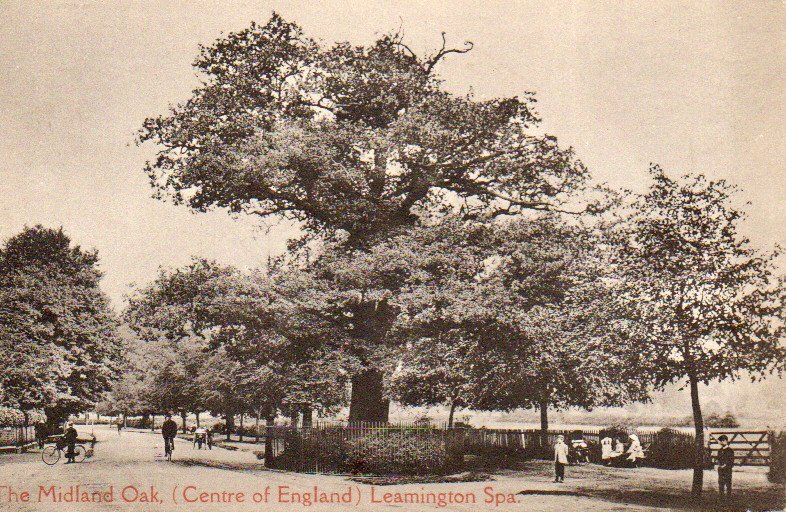
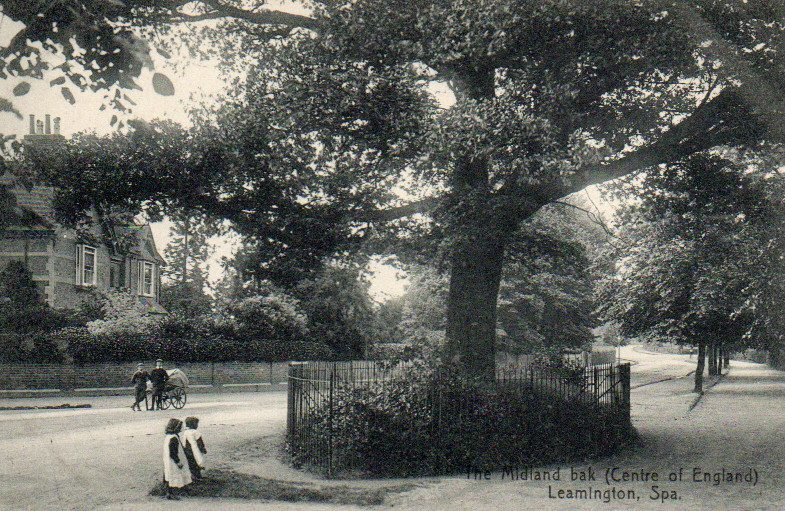
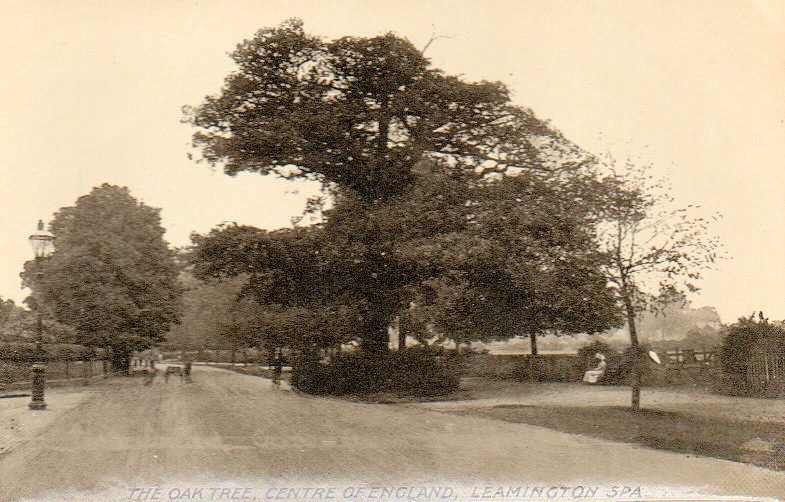
The Midland Oak is a famous historical landmark in Leamington, traditionally reputed to mark the geographical centre of England. Located at the junction of Lillington Road and Lillington Avenue on the boundary of Lillington, the site is deeply tied to local folklore and Warwickshire’s natural heritage. After centuries of standing, the original oak died and was cut down in 1967. However, an acorn from the old tree was saved, nurtured, and planted at the same spot in 1988 to carry on its legacy. The official, modern geographic centre of England is located at Lindley Hall Farm In Fenny Drayton.
Clarendon Street off Warwick Street & Willes Road. Regency Elegance: Like much of Leamington’s town centre, Clarendon Street features classic Regency-period architecture, characterised by elegant stucco-fronted terrace houses, multi-paned sash windows, and iron railings.
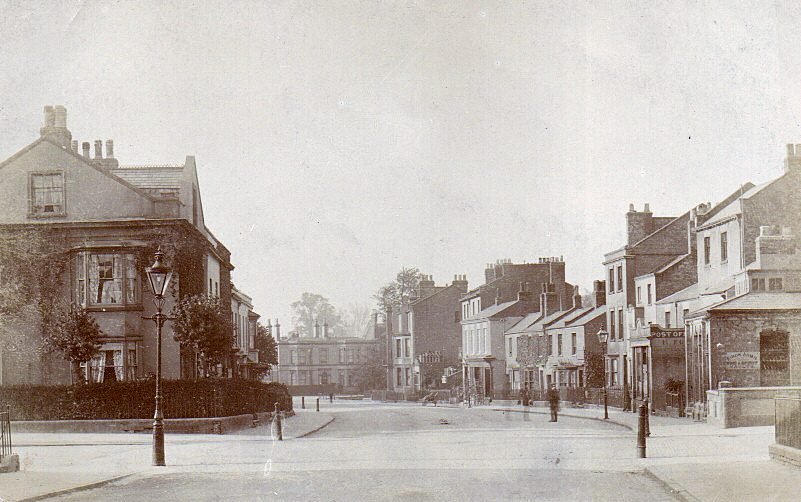
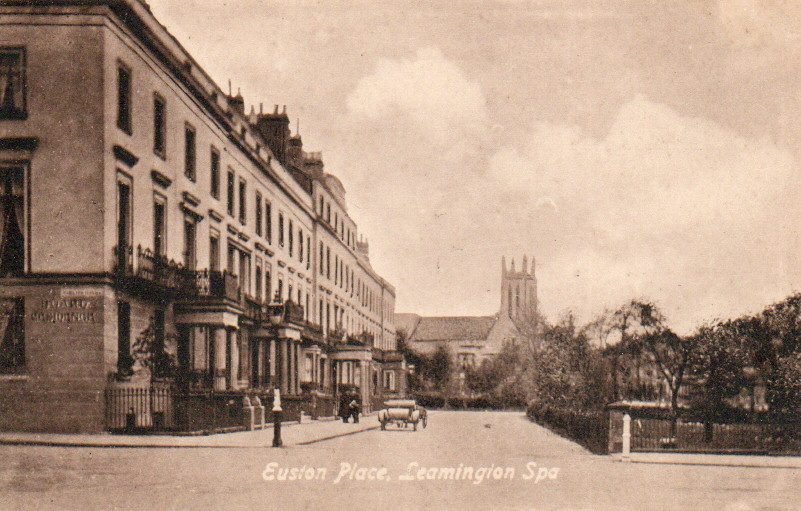
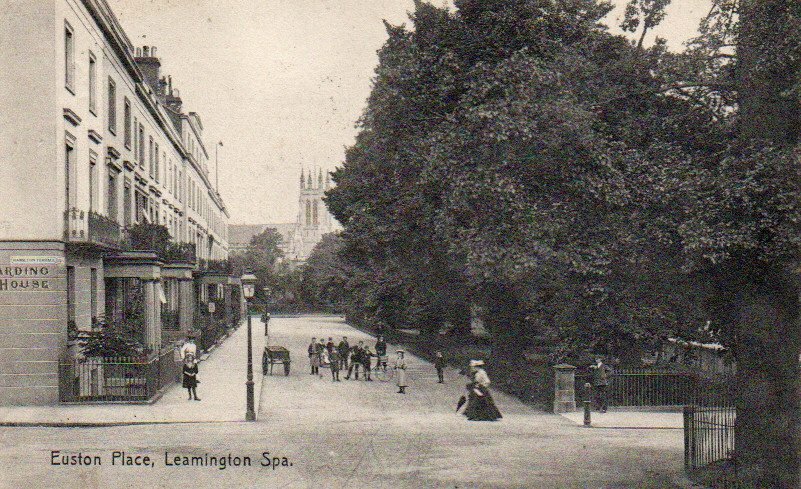
Euston Place, situated directly off The Parad just north of the River Leam and the Royal Pump Rooms, it serves as a central hub for civic memory, historic architecture, and local commerce.
Two more postcards showing Euston Place, now the home of Estate Agents and a Dentist, which is the building on the corner, which in my early days was the Spa Fancy Bakery.
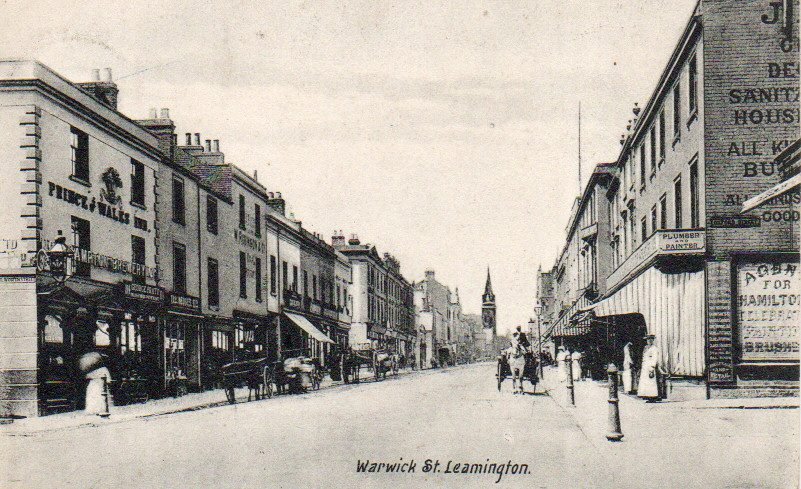
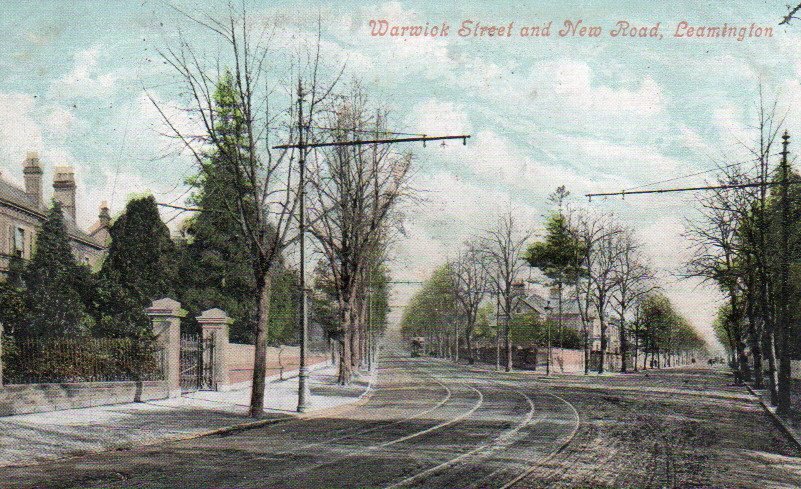
Warwick Street showing the busy shopping are c1910 and the quite area of Warwick Street joining New Road.
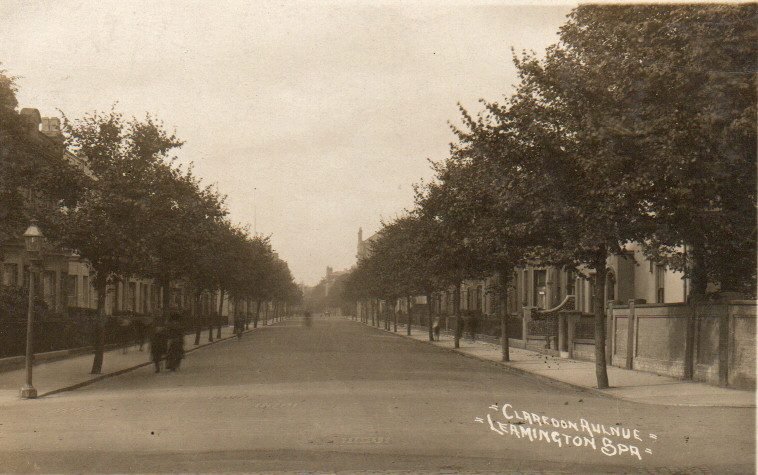
Clarendon Avenue running off Clarendon Street towards the top of the Parade.
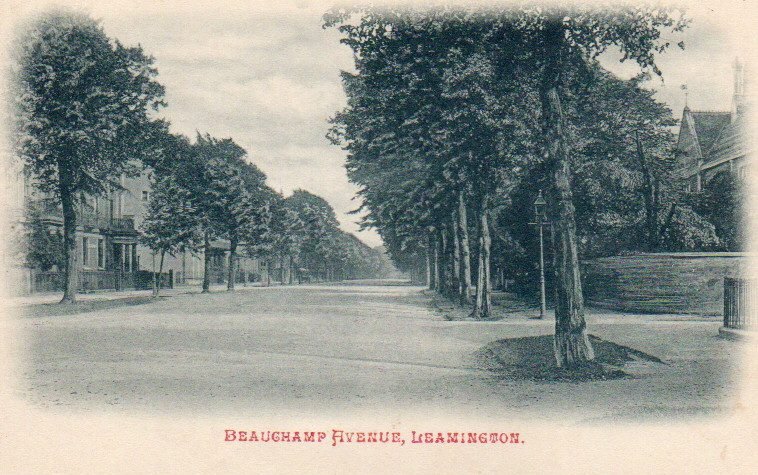
Beauchamp Avenue is widely considered one of the most prestigious and beautiful residential addresses in Royal Leamington Spa.Parallel to and just north of Clarendon Avenue, this wide, tree-lined thoroughfare is situated entirely within the town’s highly sought-after central conservation area.
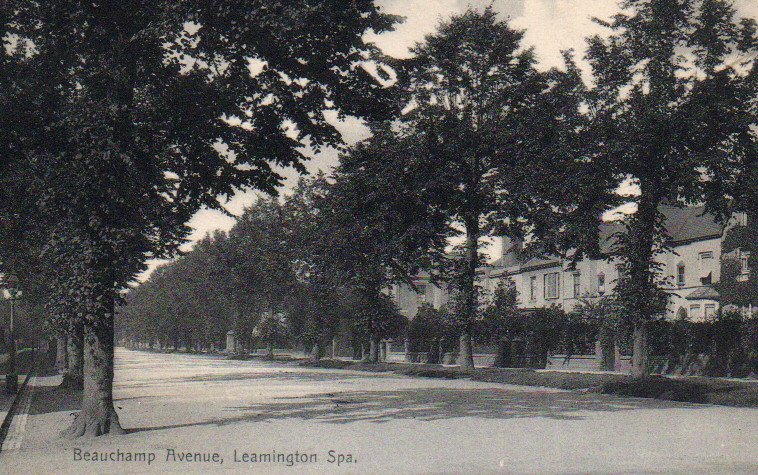
Another postcard of Beauchamp Avenue which It is celebrated for its sweeping rows of imposing, high-end historic properties and immaculate streetscape.
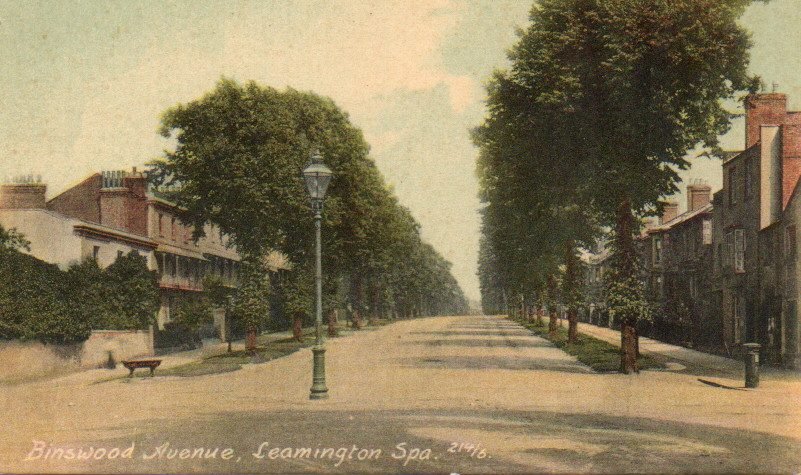
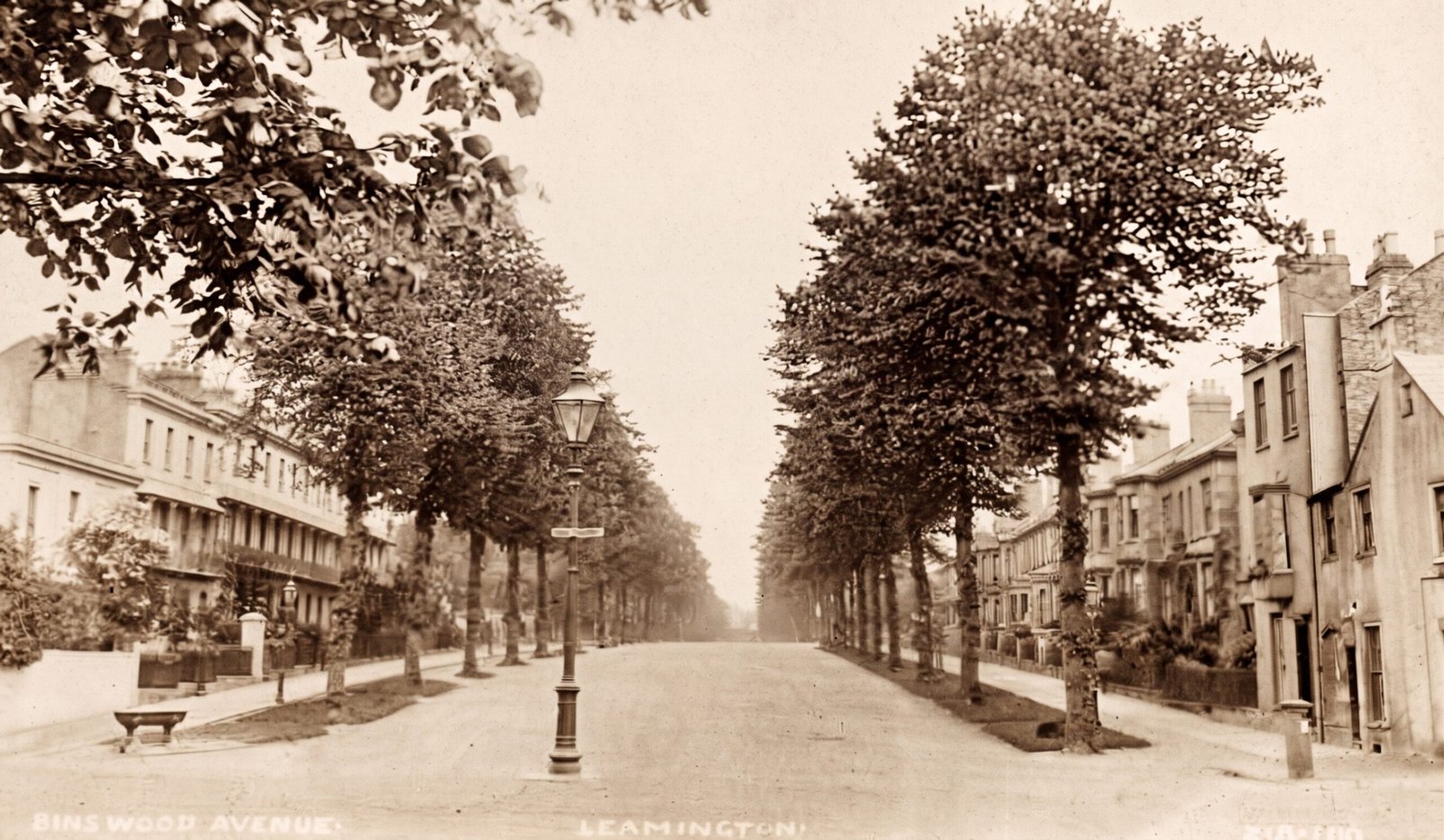
Binswood Avenue is much like its neighbours Clarendon and Beauchamp Avenues it is highly sought-after for its striking period property landscape, but it stands out distinctively due to its unique architectural diversion from Leamington’s standard white stucco style.
Lower down in Binswood Avenue sits the now Audley Binswood Retirement Home, which was once was the Boys College.
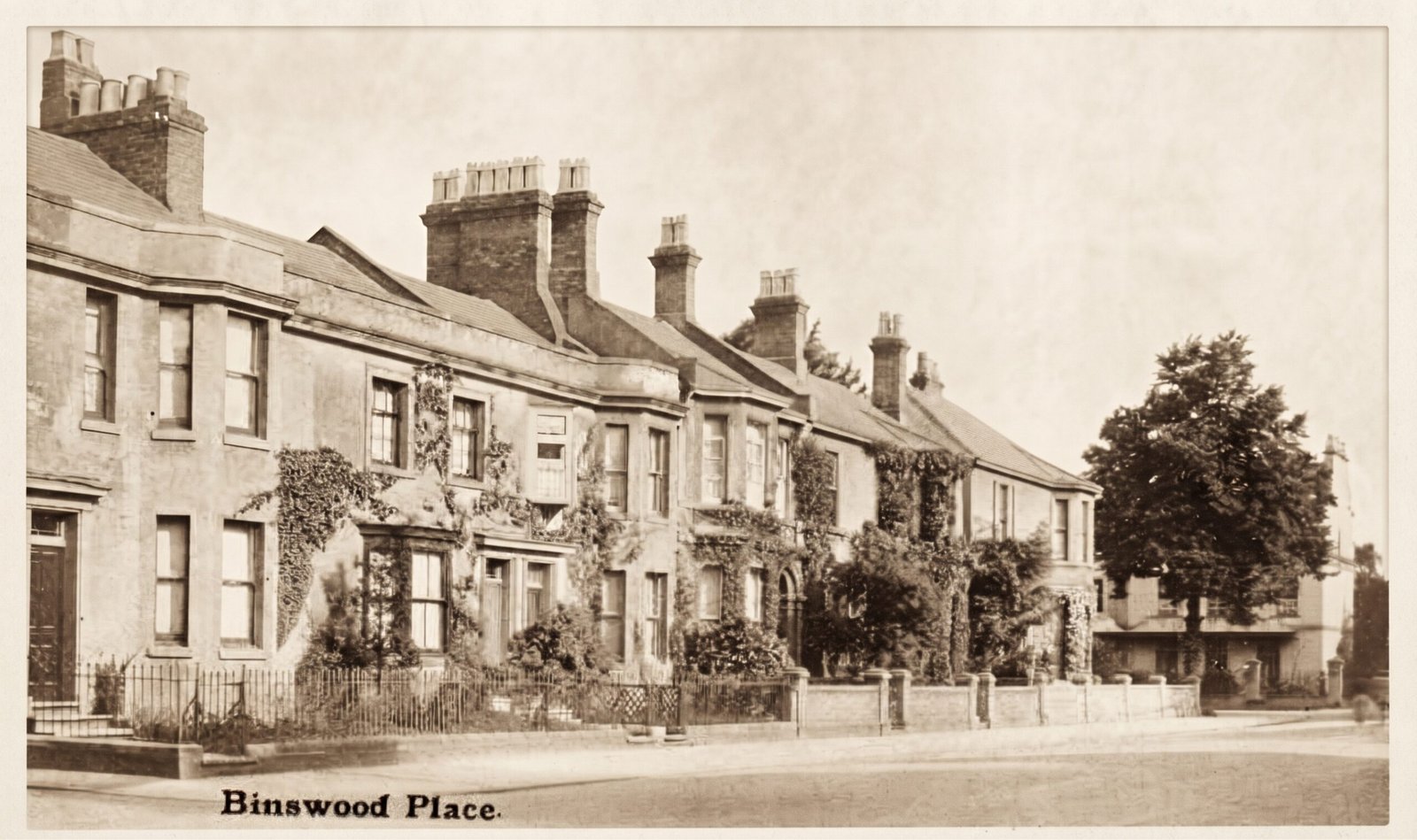
Binswood Place sits near the intersection where Binswood Avenue meets Lillington Avenue and Kenilworth Road.
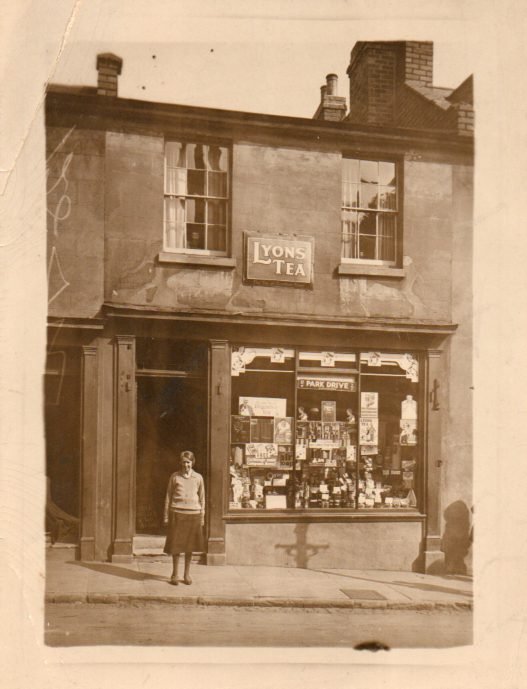
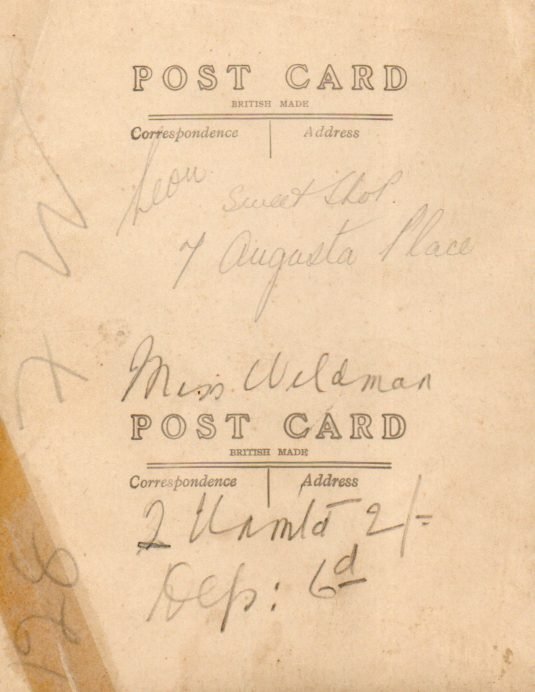
This is a very unusual double postcard showing Miss Wildman at her shop, 7 Augusta Place., which runs vertically south-to-north, directly connecting Dormer Place (by the Pump Room Gardens) at its southern end to Regent Street at its northern end.
Postcard of Campion Terrrace which runs horizontally between Upper Holly Walk to the west and Campion Road to the east, it bridges the gap between the grand, uniform Regency boulevards and the historic working-class industrial quarters. It stands as a unique architectural blend of classic white-stucco elegance and rich Victorian red-brick building styles.
Villiers Street and the surrounding brickworks tell the story of the hidden, industrial engine that literally built the famous facades of Leamington Spa. While the town is globally renowned for its grand, cream-coloured Regency townhouses, it was the heavy clay industry operating right on the doorstep of streets like Villiers Street that supplied the massive quantities of bricks needed for the town’s Victorian and Edwardian.
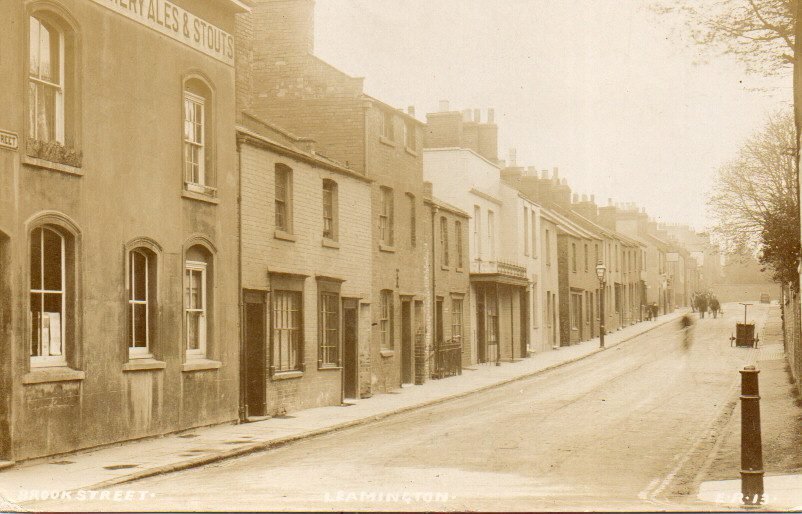
Formerly known as Brook Street it is now officially named New Brook Street. Located just off Warwick Street in the western part of the town centre. The street and its surroundings underwent significant mid-20th-century redevelopment, replacing older terraces and historic local fixtures (such as the former Woodland Arms pub, pulled down in the early 1950s)
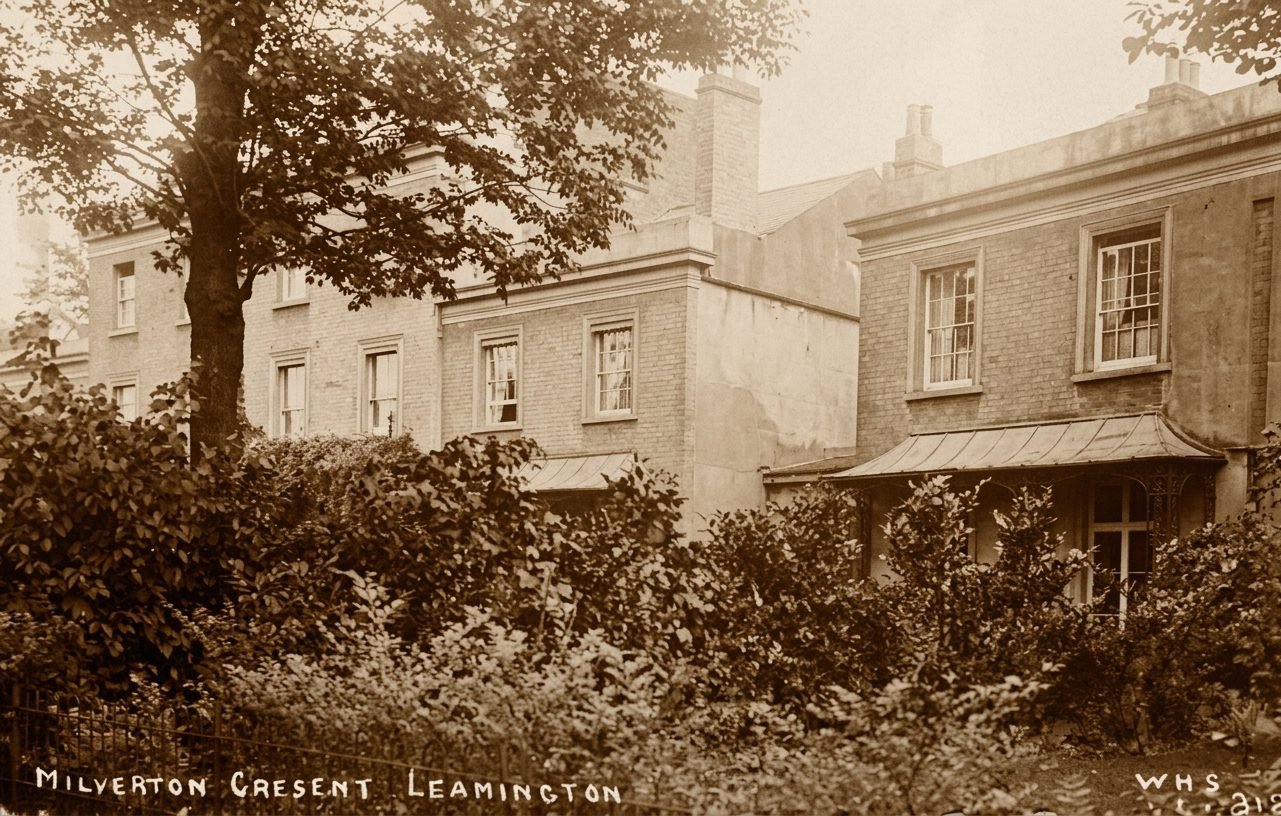
Milverton Crescent is part of the historic residential crescent located in the Milverton area of Royal Leamington Spa. Laid out during the 19th-century expansion of the town, Milverton Crescent is known for its graceful Victorian and Regency-influenced architecture, featuring elegant stucco-fronted townhouses and villas characteristic of Leamington’s spa-town heritage.
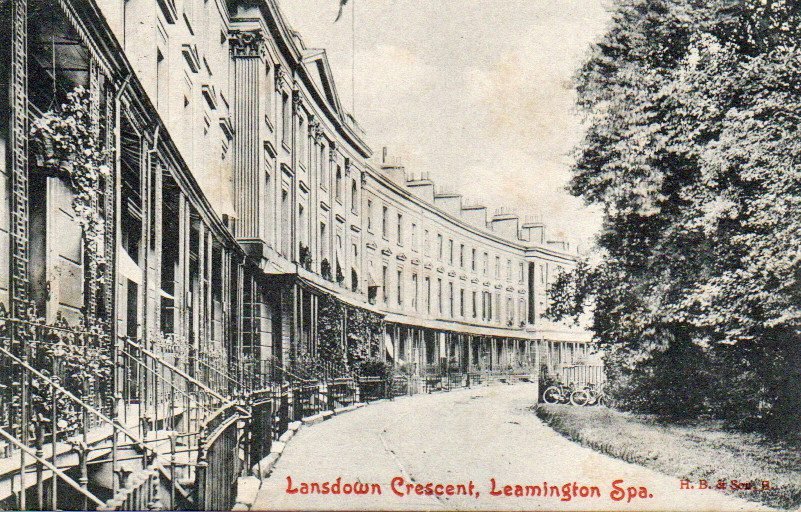
Lansdowne Crescent off the Willes Road in Leamington is a residential street known for its historic architectural character and central location within the town.
Tucked immediately behind the crescent (accessed via Upper Holly Walk or Thomas Street) sits Lansdown Circus. It is a massive, dominant curve of 21 grand four- and five-storey townhouses.
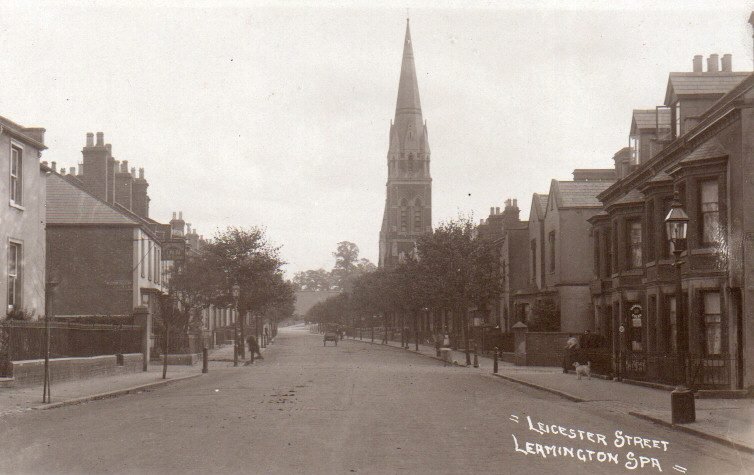
Leicester Street is a residential street positioned within the town, close to local amenities and typical Victorian-style neighborhoods leading to the Campion Hills.
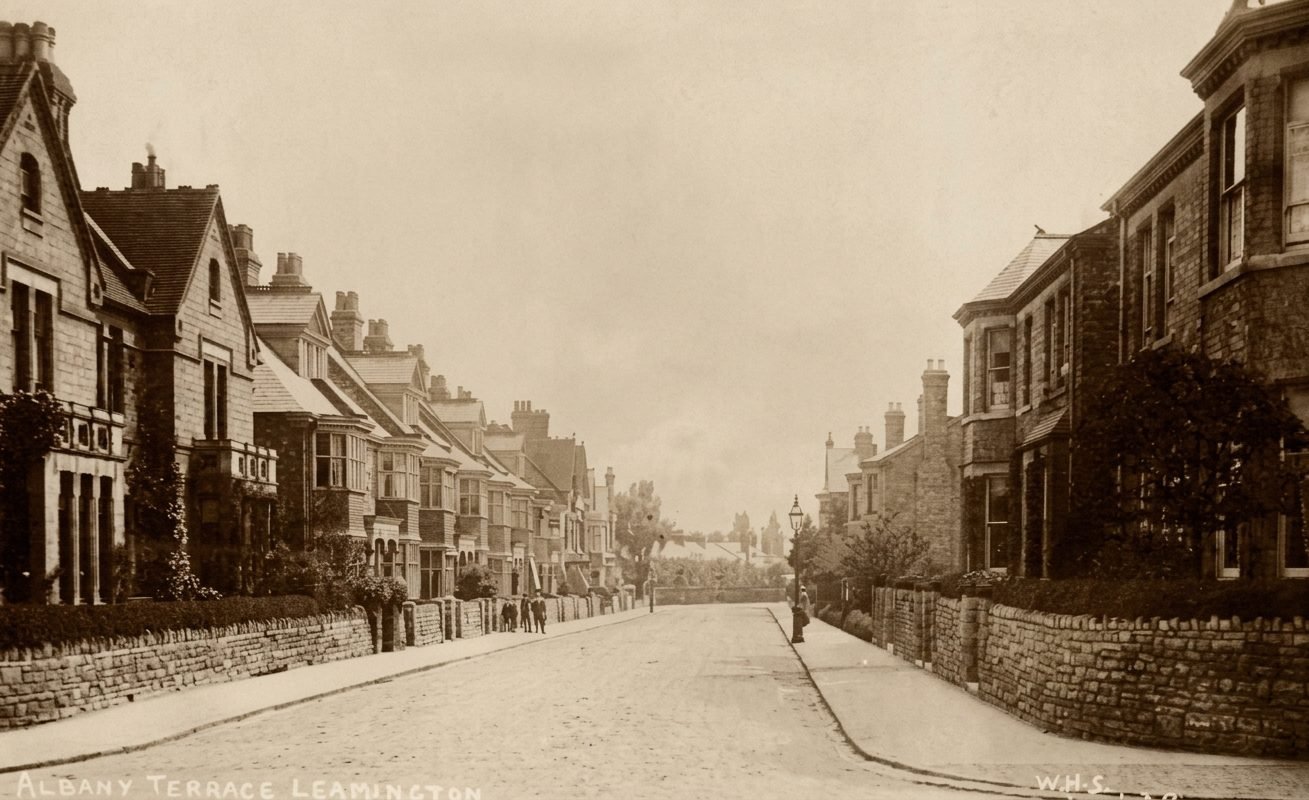
Albany Terrace is situated off Beauchamp Hill, close to the heart of the town, offering convenient access to Leamington’s central shopping areas, local parks, and public amenities.
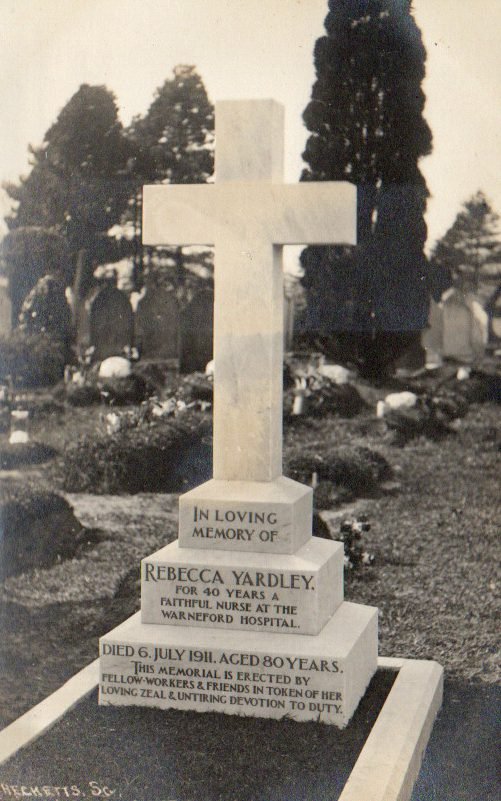
In loving Memory of Rebecca Yardley for 40 years service as a nurse at the Warneford Hospital.
Impressive 3 storey houses in Rugby Road, Leamington one of the town’s prominent residential areas weaving through the highly desirable neighborhood of New Milverton.
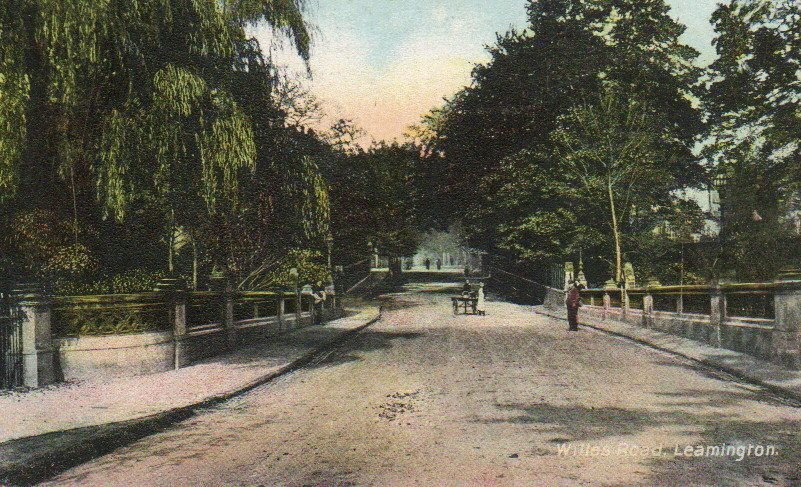
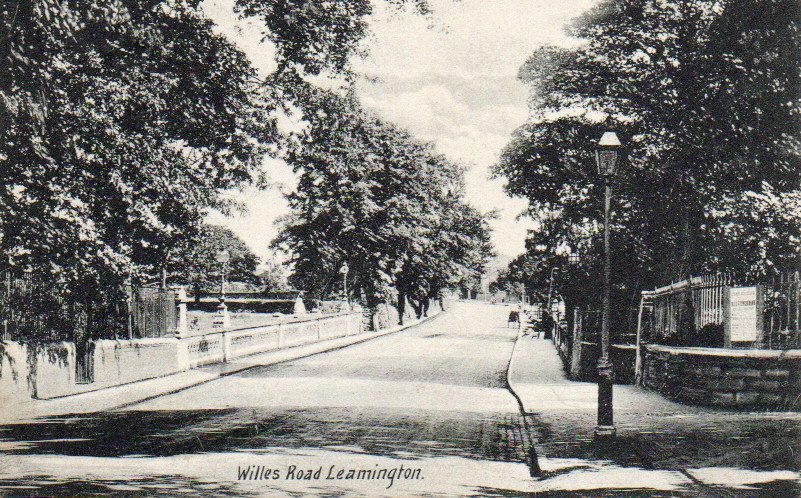
Willes Road Bridge. Spanning the River Leam, this Grade II-listed structure was originally commissioned in 1827 and was initially known as Newbold Bridge.
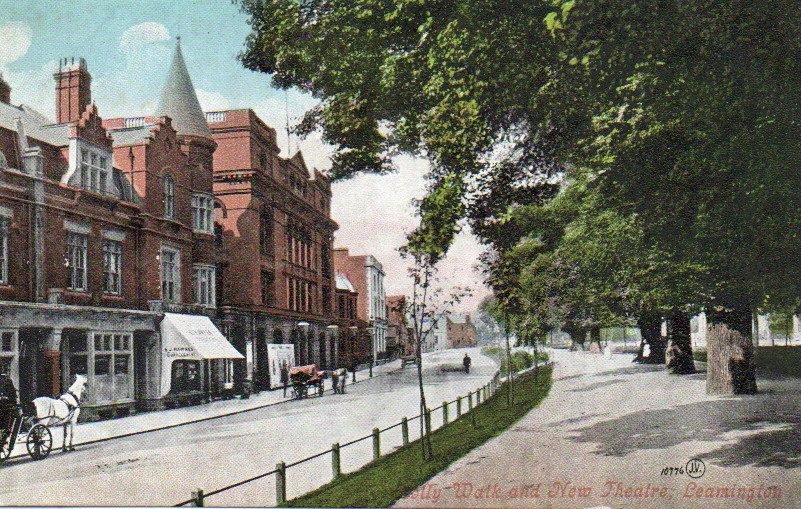
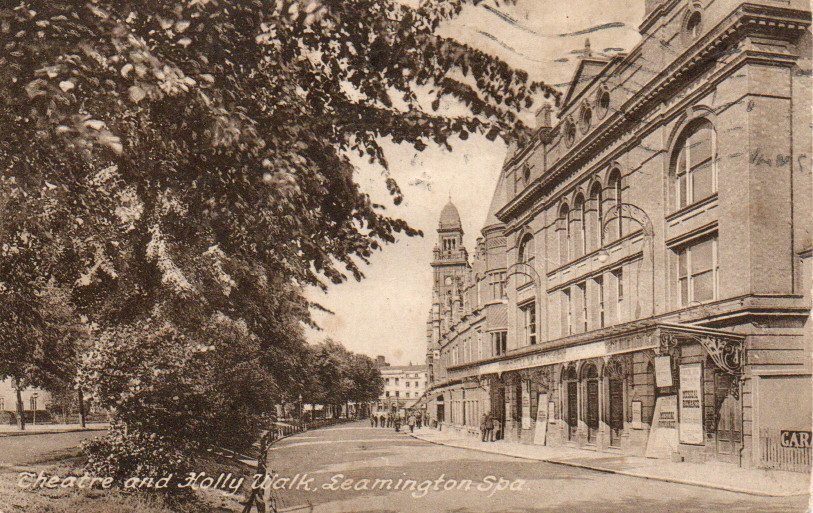
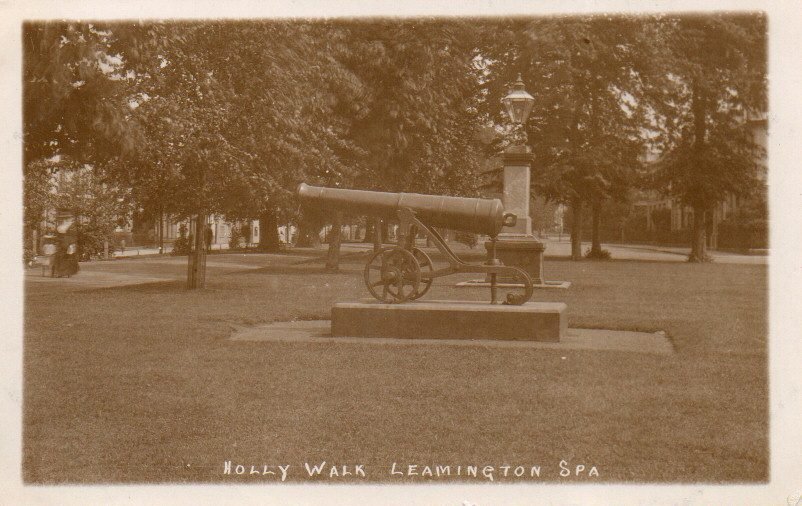
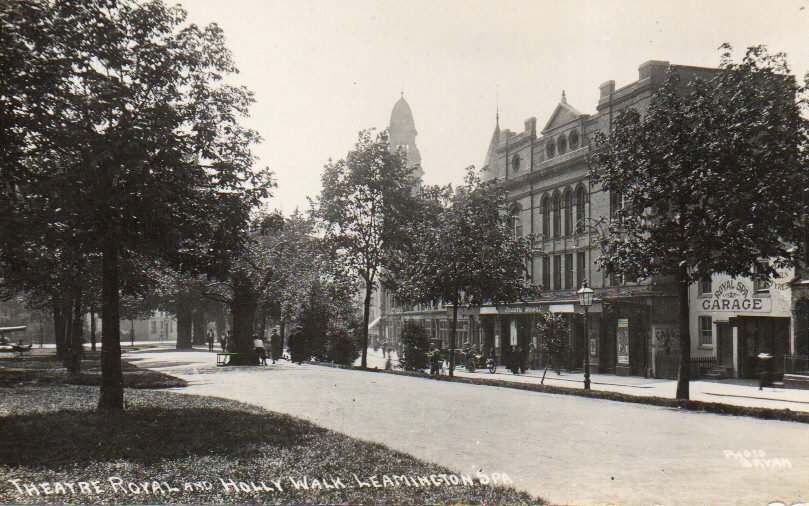
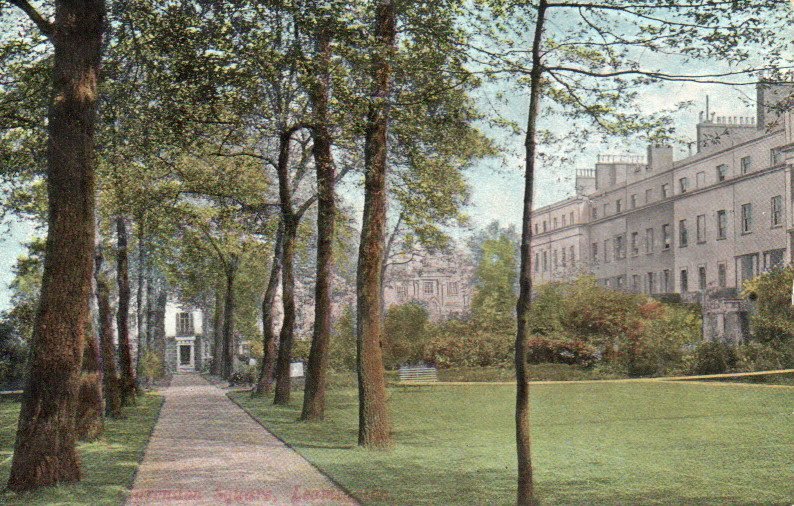
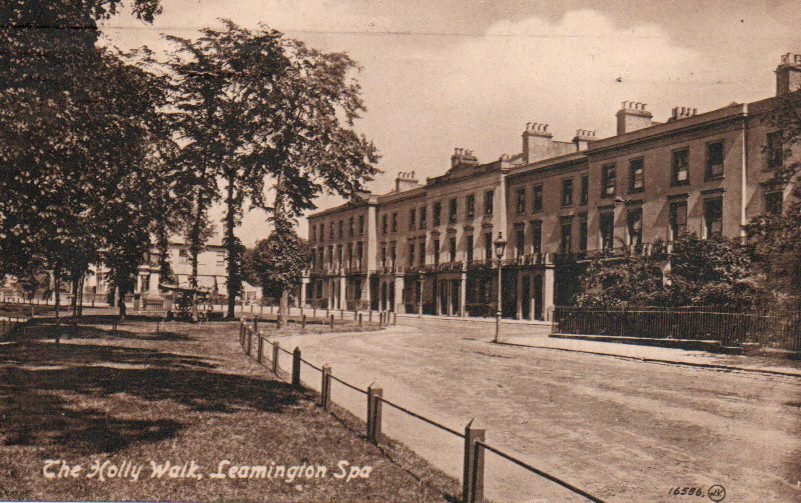
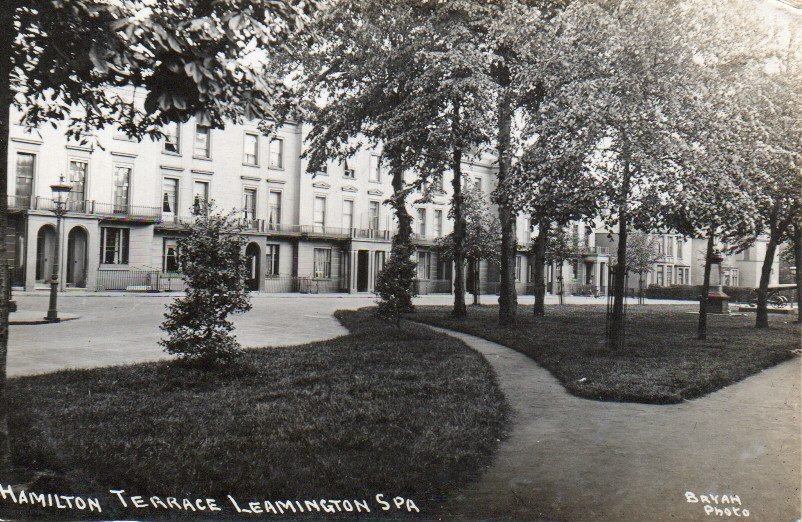
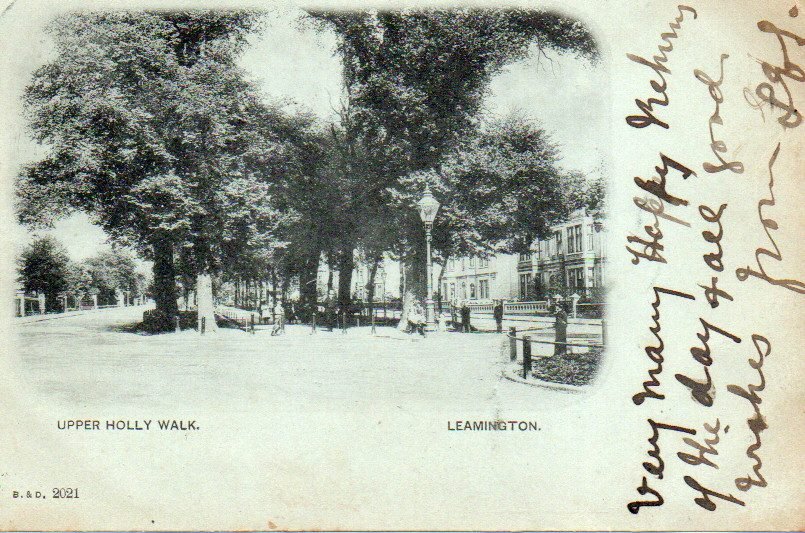
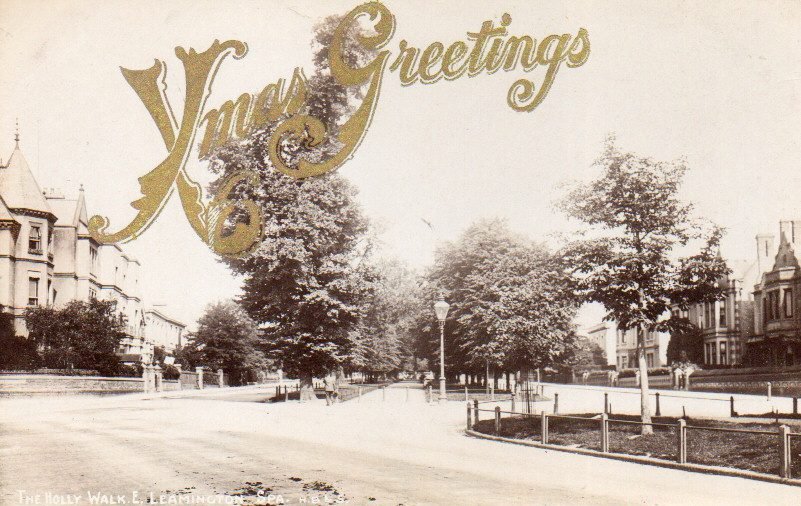
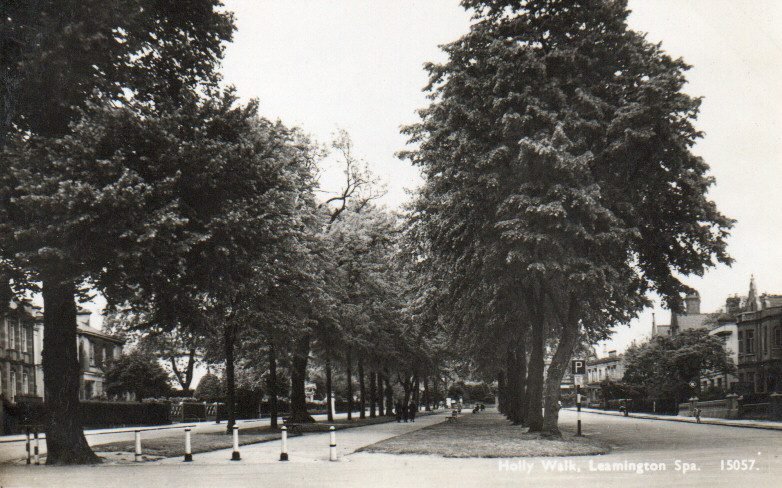
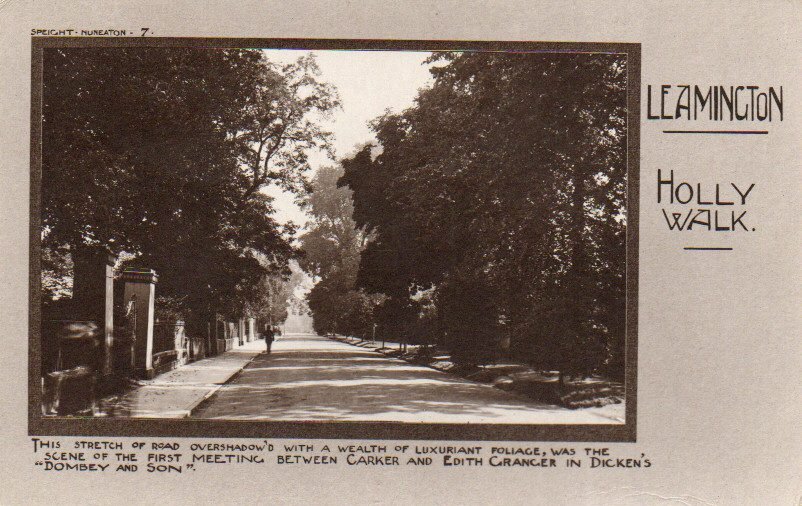
Various postcards showing The Theatre Royal Regent Grove, Holly Walk and Hamilton Terrace.The Theatre Royal no longer exists. Opened in 1882 as the Opera House at 23 Regent Grove, it was a grand 1,400-capacity venue. By 1908, it was officially renamed the Theatre Royal. Closing its doors in 1962.